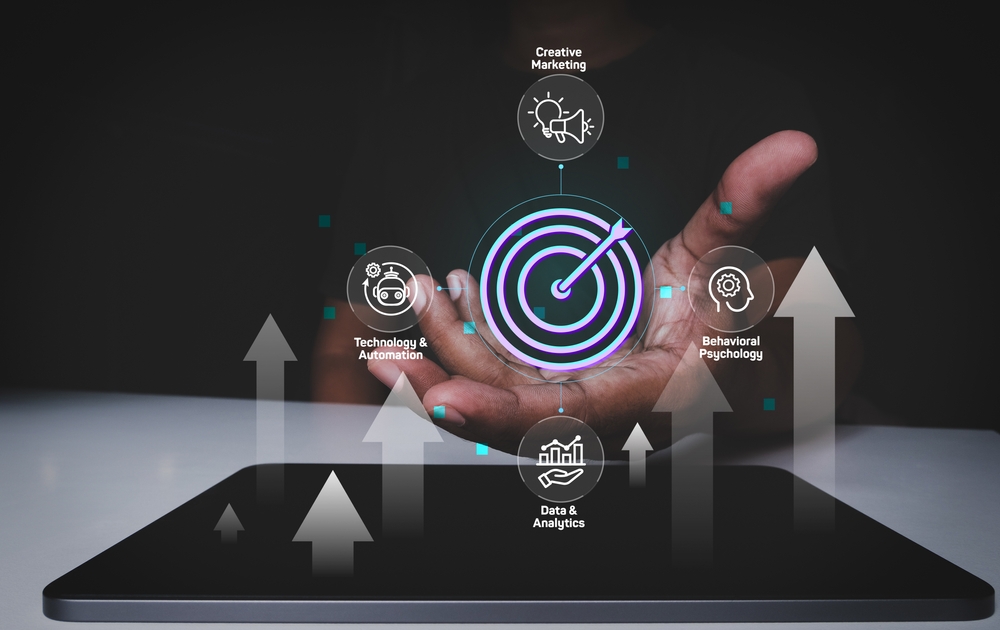
Marketing used to rely heavily on intuition and guesswork, but today businesses have access to more customer data than ever before. When used effectively, this data can help companies and marketing agencies understand their audiences, tailor messages, improve campaign performance, and spend marketing dollars more efficiently.
Below are seven examples of data-driven digital marketing strategies that every business can start using.
What is Data-driven Marketing?
First, let’s start by defining data-driven marketing. Data-driven digital marketing strategies use real customer information, such as location, behavior, demographics, and past purchases, to guide your marketing decisions instead of relying on assumptions or intuition.
When companies make choices based on data, they can target the right people, personalize campaigns, improve performance, and stop wasting money on tactics that don’t work. The result is smarter marketing that produces better results at lower cost.
Segment Customers Using Demographic Data
Instead of treating every customer the same, data allows businesses to group customers based on who they are and what they need. This process (called customer segmentation) uses real information such as age, income, location, job role, industry, or past purchasing behavior.
Segmentation helps businesses and marketing companies understand which groups are most profitable, where to spend marketing budget, and what type of message resonates with each audience. It ensures you focus your marketing efforts where it will have the biggest impact.
Personalize Every Interaction Based on Customer Data
Once you understand different customer groups, personalization helps tailor messaging to individual customers based on their actions and interests.
This can include:
- Website content that changes based on visitor behavior
- Emails triggered by specific actions (such as cart abandonment)
- Product recommendations based on browsing or purchase history
A generic email that goes to 100,000 people might be ignored, but an email that shows a customer the exact product they looked at earlier is more likely to convert.
Share Data Across All Your Marketing Channels
Many customers interact with a business in more than one place: online ads, websites, social media, email, even in-store visits. If these channels don’t share data, the customer experience is fragmented and inconsistent.
By connecting marketing systems and sharing customer insights across channels, businesses can:
- Keep messaging consistent
- Avoid sending conflicting offers
- Target customers more accurately
- Understand how customers move through the buying journey
Trends from one marketing channel need to be shared with others so that marketing decisions can be better informed. When your channels share data, customers receive a smoother and more relevant experience.
Predict What Customers Will Do Next Using Historical Data
Historical data reveals patterns that help businesses predict future customer behavior. This is known as predictive analytics. With the right data, companies and marketing agencies can forecast:
- Which leads are most likely to make a purchase
- Which customers are at risk of leaving
- What products certain customers are likely to buy next
- When customers are due for replenishment or service
For example, if customers typically reorder every 90 days, a company can send reminders or special offers around day 75 to proactively increase repeat purchases.
Automate Marketing Actions Triggered by Customer Behavior
Data-driven marketing automation ensures the right message reaches the right customer automatically, based on their actions.
If a customer views a product, downloads a guide, stops opening emails, or abandons a shopping cart, automated campaigns can send timely and relevant messages without any manual effort.
This approach makes personalized marketing scalable. Businesses can use customer data to nurture thousands of customers individually, without requiring a human to send every message.
Test, Measure, and Optimize Campaigns With Performance Data
One of the greatest advantages of data-driven marketing is the ability to measure results objectively. Instead of relying on opinions or assumptions, companies can test different versions of ads, landing pages, emails, headlines, or calls to action and see what performs best.
Performance data (like conversion rates, click-through rates, customer lifetime value, and return on ad spend) shows which campaigns are worth scaling and which should be revised or paused.
Combine Offline and Online Data to Get the Full Picture
Many businesses collect valuable data offline, such as purchase history, CRM notes, loyalty activity, or in-store transactions. When this data is brought online and connected to digital profiles, companies gain a more complete view of customer behavior.
For example, matching in-store purchases with online browsing history allows businesses to run more targeted ads, send relevant follow-up messages, and understand how marketing influences both digital and physical sales.
By unifying data sources, businesses close gaps between channels and make smarter decisions based on the full picture, not just a single interaction.
Final Thoughts
Data-driven marketing is not just about sophisticated technology; it’s about using the information you already have to make smarter decisions. Even implementing one or two of these digital marketing strategies can help businesses improve targeting, personalize customer experiences, and increase marketing return on investment. As customer data becomes more available, companies that use it well will gain a clear competitive advantage.
Choose Us for Data-driven Solutions
Partner with Ocean 5 Strategies if you want to improve your business with real data. We can build and execute a plan that drives measurable growth. We are a leading marketing agency based in Washington, DC, but our team can help no matter where you are. Contact our experts to learn more.